As we have discussed in previous posts, the textile industry faces undeniable environmental challenges. Fast fashion, mounting waste, and microplastic pollution have highlighted an urgent need for change. As the European Union (EU) takes the lead, a shift toward circularity is showing promise for a more sustainable future.
Join us at our upcoming Impact Driven Entrepreneurship session in the Dominican Republic to discuss actionable steps to reshape the textile industry, creating sustainable growth opportunities across regions.
The Environmental Cost of Textiles
The numbers are staggering. Textiles account for 4% of global CO2 emissions and consume vast amounts of water and energy. Fast fashion has only worsened the situation, normalizing a “wear and toss” culture where clothes are discarded after just a few uses. Globally, less than 1% of textile waste is recycled into new garments.
The impact extends beyond landfills. Synthetic fabrics like polyester release microplastics, polluting oceans and harming marine ecosystems. Additionally, wastewater from dyeing processes leaches toxins into the environment, damaging ecosystems and communities.
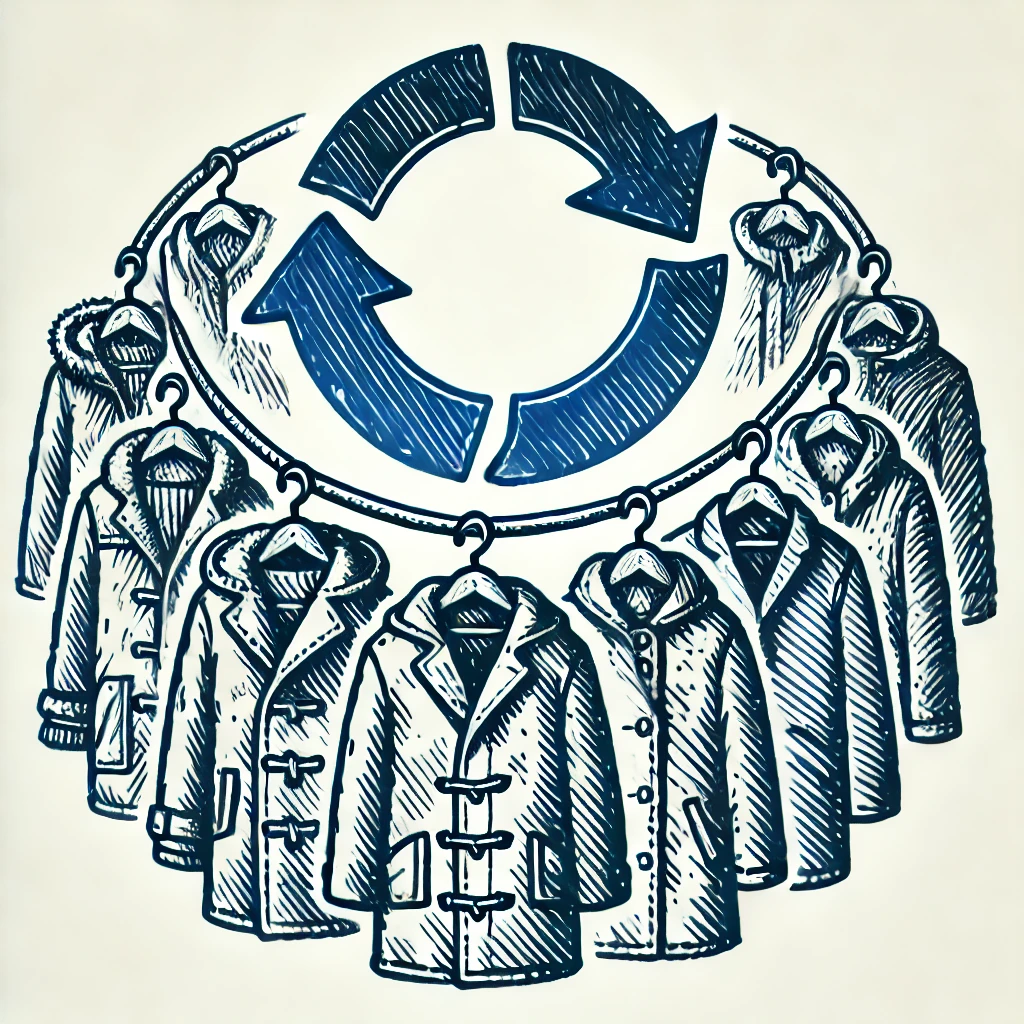
Circularity offers a compelling solution. The concept? Keep materials in use for as long as possible by designing products for reuse, repair, or recycling. It’s about creating a closed loop where waste becomes a resource.
Here’s where Europe steps in. By spearheading innovations and implementing bold policies, the EU is transforming how textiles are produced and consumed:
- Recycling Upgrades: Fibre-to-fibre chemical recycling technologies are breaking down old textiles into new fabrics, closing the loop on waste.
- Sustainable Materials: Recycled polyester and bio-based fabrics are gaining popularity, reducing reliance on virgin resources.
- Smarter Designs: Circular design principles are creating garments that are durable, repairable, and easier to recycle.
These advancements are paving the way for a more sustainable textile industry. But technology and innovation alone won’t solve the problem—policy and consumer behavior must play a role too.
Policy Driving Progress
The EU is laying the groundwork for a circular textile industry:
- Mandatory Textile Waste Collection: By 2025, all Member States will be required to implement separate collection systems for textile waste, ensuring more materials are reused or recycled.
- Ecodesign for Sustainable Products Regulation: This policy ensures that products are designed with circularity in mind, focusing on durability, repairability, and recyclability.
The introduction of Digital Product Passports adds another layer of transparency. Imagine scanning a QR code on a shirt to learn where it was made, its composition, and how to recycle it when it’s no longer wearable.
The transformation of the textile industry requires global collaboration. Through initiatives like Impact Driven Entrepreneurship, we’re creating a bridge between Nordic innovation and Latin American potential, fostering a more sustainable and circular future for textiles.
Join us at our upcoming Impact Driven Entrepreneurship session in the Dominican Republic to be part of this transformative journey. Together, we can reshape the textile industry’s future while creating sustainable growth opportunities across regions.