
As mentioned in previous posts one of the topics relevant to the common ones is the balance between man and nature. Besides the benefits of biodiversity, for a long time, I have been interested in working with bees. Throughout my education, I have researched the great importance of these fellas for our food systems.
Sadly, we are not doing good, this video is a good way to understand which is the status of this relevant pollinator:
The Living Planet Report 2020 outlines how our increasing destruction of nature is having catastrophic impacts not only on wildlife populations but also on human health and all aspects of our lives, Covid 19 for example…
Throughout history, our wealth increases through exploiting the natural environment, allowing us to live richer lives with more comfort. The experts recommend setting aside and protect enough land for biodiversity to roam freely, they recommend 40% of world land extension. Particularly in South and Central America biodiversity has been hit particularly hard, suffering population declines of 89% between 1970 and 2014.
The graph below show the curve for future scenarios in which clearly states governments need to take more actions to preserve life, but that alone is not well enough but companies and citizens need to consume and produce more responsibly.
According to specialists if farmers used the best available farming practices, only half of the total area of cropland would be needed to feed the world. Also, there are other inefficiencies that could be fixed by reducing the amount of waste during transport and food processing. Society can help in this effort by shifting towards healthier and more sustainable diets and reducing food waste.
Now I thought that doing more beekeeping activities would help our bees, but as you will see on the video on re right my thinking has been wrong!
The big challenge here is how to transform our food production practices, into ones that provide enough affordable and nourishing food while preserving biodiversity. In agriculture, for instance, this means reducing the use of fertilizers and pesticides so we can protect the soil and pollinators.
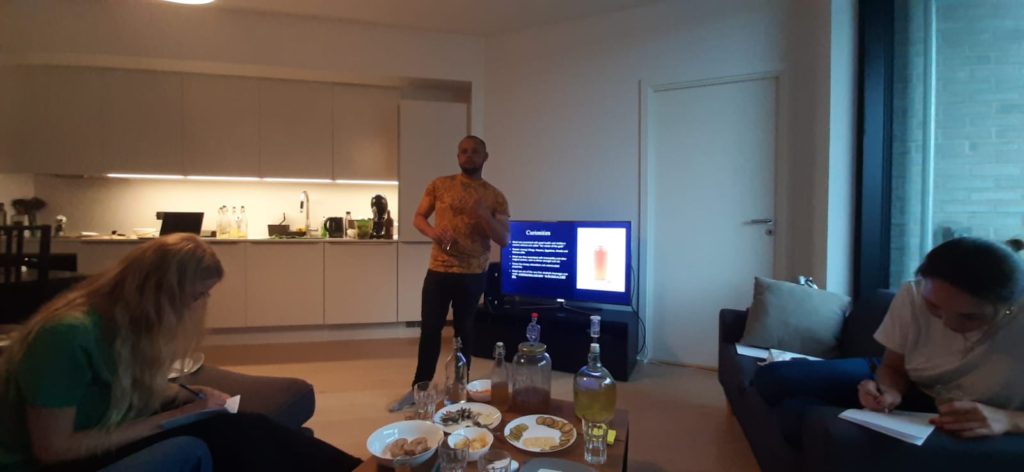
For the time being, I am developing a project called NOVENTA & UNO which is about enhancing biodiversity through mead consumption, more of it to come!