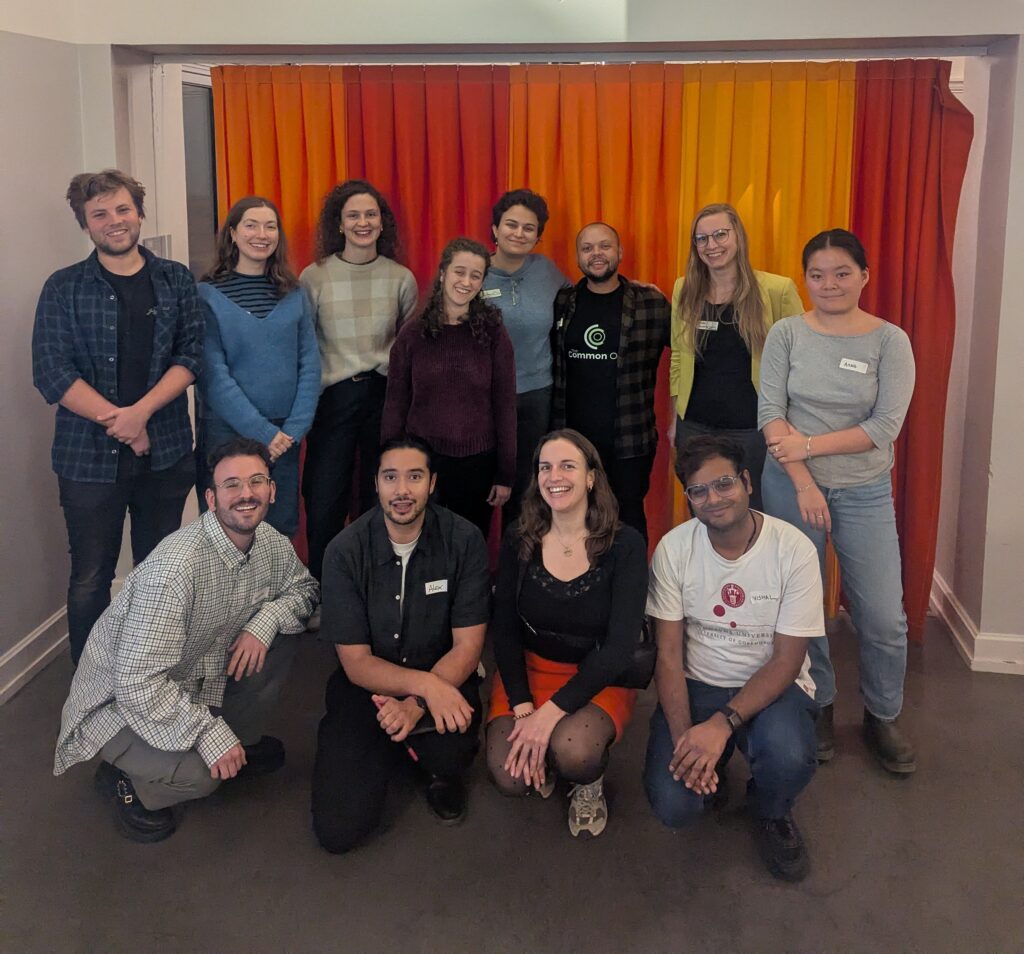

When a Copenhagen-based sustainable sneaker company approached us, they were facing a familiar challenge for small and medium enterprises (SMEs): turning sustainability ambitions into measurable actions. Their journey from concept to structured implementation offers valuable insights for businesses navigating similar paths.
“We knew we wanted to create sustainable products, but measuring and proving our impact was a completely different challenge,” shared the company’s founder.
The Measurement Challenge
Like many SMEs, this company grappled with a fundamental question: How do you measure sustainability when you’re building something from scratch? The solution lay in breaking this complex task into manageable, measurable steps.
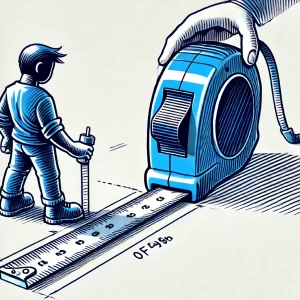
Through a structured four-week process, the team developed an environmental framework from the ground up, focusing on practical, implementable solutions instead of abstract goals.
Building the Framework
The transformation started with foundational measurements: material inputs, waste generation, and energy consumption. These metrics became the building blocks for more advanced environmental tracking systems.
“We began with what we could measure immediately—our material use and waste. This gave us concrete data to work with,” reflected the team.
The process revealed an essential truth: effective sustainability measurement doesn’t require complex systems on day one. Instead, it starts with basic metrics that companies can track consistently and grow over time.

From Data to Action
The real value of the process emerged not just from data collection but from turning those measurements into actionable plans.
Key outcomes included:
- A structured environmental baseline
- Clear certification pathways
- Practical resource tracking systems
- An implementable six-month action plan
The Business Case
The benefits extended beyond environmental metrics. The company gained a clearer business direction and stronger market positioning, demonstrating how systematic sustainability implementation can drive tangible value.
“Having concrete numbers and clear processes transformed our conversations with stakeholders. We shifted from discussing intentions to showcasing actual impact,” they shared.

This case highlights critical takeaways for SMEs embarking on sustainability journeys:
- Start with measurable basics.
- Build systems that can grow with your business.
- Focus on practical, implementable steps.
- Link sustainability metrics to business value.
Effective sustainability transformation doesn’t require massive resources. It needs a systematic approach and a clear framework.
Whether you’re just starting or refining your sustainability efforts, this story serves as a reminder that every small step contributes to meaningful impact.