When we think about sustainable cities, large infrastructure investments, ambitious climate policies and technological innovations often come to mind. Yet some of the most meaningful transformations begin much closer to home: in our neighbourhoods.
From shared green spaces to community-led waste initiatives, local communities have the potential to shape how cities become more sustainable, resilient and inclusive.
But how do we move from environmental awareness to collective action?
Bringing sustainability closer to communities
Urban sustainability is not simply about reducing emissions or improving resource efficiency. It is also about the people who live in our cities, the spaces they share and their ability to participate in decisions affecting their surroundings.
Neighbourhoods provide a valuable scale for this transformation. They bring together residents, local businesses, civil society organisations and public institutions, creating opportunities to identify common challenges and develop solutions grounded in everyday experiences.
Consider a shared courtyard that could become a community garden, a local business looking for ways to reduce food waste, or public spaces that could better connect people across generations.
These are opportunities where environmental sustainability and social inclusion can reinforce one another.
However, turning them into action requires more than good intentions. Communities need practical tools, opportunities to collaborate and the confidence to take the first steps.
Introducing N-GREEN: A neighbourhood-centred approach
Through the Erasmus+ project N-GREEN, The Common Ones is working alongside Fano al Centro in Italy and Mindleap in Spain to strengthen the capacity of civil society organisations to lead local sustainability initiatives.
The project focuses on supporting community participation through practical resources, learning activities and collaborative experiences.
A central outcome is the N-GREEN Toolkit, designed to help organisations understand local challenges, engage stakeholders, co-design solutions and plan their implementation.
Rather than prescribing a single approach to urban sustainability, the project encourages communities to develop solutions reflecting their own needs, resources and aspirations.
From European collaboration to local action
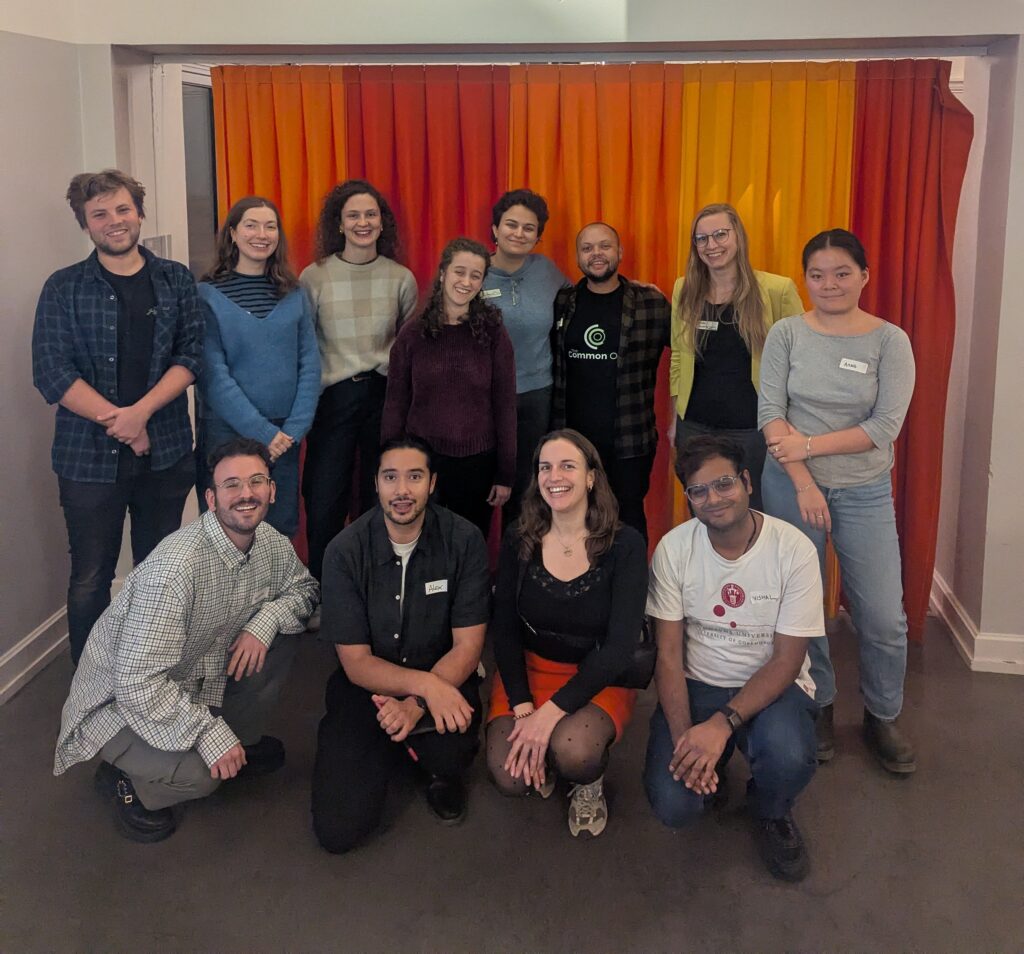
In Copenhagen, we are exploring this approach through activities in Nørrebro, a neighbourhood characterised by cultural diversity, grassroots initiatives and active community life.
Our N-GREEN activities bring together people with different experiences and professional backgrounds to explore how local resources, shared spaces and community relationships can contribute to the green transition.
The ambition is not to solve every urban challenge through a single initiative. It is to demonstrate how structured collaboration can help communities identify opportunities and take meaningful steps towards change.
At The Common Ones, we believe that empowering people is an essential part of building a more sustainable future.
After all, the green transition is not only about transforming our cities. It is also about strengthening the capacity of communities to shape them.
Learn more about N-GREEN and our work to support neighbourhood-centred sustainability through The Common Ones.